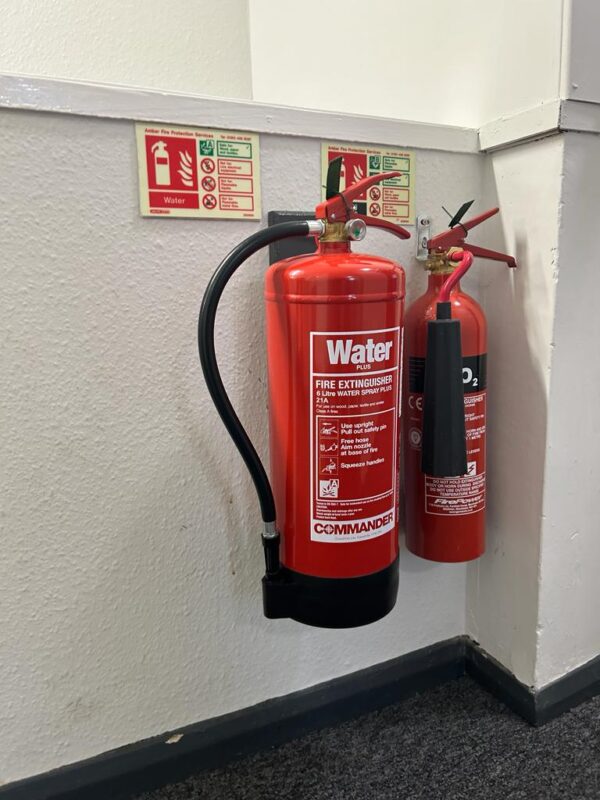
Ten Tips For Help And Advice PAT Provides On A Continuous Basis in Rugby
The ongoing support and advice provided is the key difference between a transactional PAT testing provider and an important health and safety partner within the UK electrical testing landscape. While the initial testing event addresses immediate compliance needs, the dynamic nature of workplaces–with constantly changing equipment, staff, and environments–requires continuous guidance to maintain safety standards between formal testing cycles. The Electricity at Work Regulations of 1989 require dutyholders to maintain electrical equipment on an ongoing basis. Professional advice is crucial to show due diligence during scheduled tests. Continuous support that is superior transforms PAT testing from routine compliance exercises into an integrated safety management system, giving value via assessments of risk, regulatory change alerts, and practical problem-solving assistance. This advisory relationship ensures electrical security remains a live process within an organization, rather than a checklist exercise.
1. One Account Manager and Dedicated Point of Contact
Professional PAT providers assign an account manager who handles any questions that arise after taking the test. The account manager is responsible to handle administrative and technical questions. This person has a deep knowledge of the history of your account, asset list, and risk profile, which means you do not have to provide your explanation every time. Account managers should conduct periodic reviews (annually as well as bi-annually) to review their performance, identify any concerns and identify changing requirements. This ensures that the service is in line with changes in operations and regulations.
2. Telephone and Email Advisory Services for Technical Queries in Rugby
Between testing cycles, clients require immediate access to technical assistance for situations such as assessing new equipment purchases, addressing minor issues with damage or understanding manufacturer's guidelines. The service providers should provide clearly advertised channels (dedicated email or phone lines) with a guaranteed response time (e.g., within 2 business hours) for technical queries. This will allow duty holders to make informed decisions regarding safety in real-time. It prevents using potentially hazardous equipment while waiting until the next scheduled inspection.
3. Compliance Change Alerts and the Compliance Change Alerts and the in Rugby
The regulatory landscape evolves with HSE communications, amendments to the IET Code of Practice, and court decisions that establish new precedents. A comprehensive ongoing package of support includes a structured update service that informs clients about any pertinent changes to their PAT regime. It could include bulletins about important developments, or a specific advice on how changes will impact the risk assessment process that has been documented.
4. Online Customer Portals and Digital Asset Management
The most modern PAT providers offer 24/7 secure access to their entire testing infrastructure via online portals. They should offer downloadable certificates, the Live Asset Register, the equipment test records, and photographs of equipment, as well schedule details for future testing. Advanced portals let users submit new equipment or minor incidents directly via the system.
5. Users Training Resources and Toolbox talks in Rugby
Helping clients train their employees is an integral an essential part of ongoing assistance. Training materials should be made available by the service providers, such as laminated guides, video tutorials, slides for induction and "toolbox talk" material on electrical safety. Some providers offer onsite or virtual training sessions to nominated dutyholders. This allows them to conduct user checks, and encouraging a culture of safety-consciousness in the organization beyond the testing process for technical tests.
6. Risk Assessment Review and Adjustment Service
The initial risk assessment is not static. Professional providers offer a review service triggered by operational changes: new equipment types, altered working environments, incidents/near-misses, or changes in user competence. This service involves reassessing testing techniques and frequency in light of new risk profiles, and then formalizing the reasons for any modifications. This process ensures that the testing regime is proportionate, efficient and defendable, as well as extending intervals when equipment that is low risk performs well.
7. Assistance with HSE, Insurance, and Client Audits in Rugby
Dutyholders facing audits by external auditors such as the HSE or insurance companies need immediate assistance. The continuous assistance offered includes the provision of copies of all documentation needed (certificates and calibration records) and a summary of the testing plan, and, in some instances, a representative will assist audits either in person to discuss the technical aspects of the testing process and demonstrate compliance.
8. Remedial Action Management Coordination and Repair in Rugby
Once faults are found The ongoing support is to manage the whole remediation process. This includes more than just identifying faults. It also involves providing precise estimates, coordinating timelines, managing offsite repairs in approved workshops, and executing thorough retests after the completion. This turnkey solution ensures that the faults are not just found, but they are also repaired.
9. Manage the changes to equipment and update registers in Rugby
Organizations are constantly buying, disposing of, or relocate portable equipment. The ongoing support also includes updating the master asset registry between formal testing cycles. It could be a an easy form to register assets and portal upload functions, or even an update service based on notifications from clients. To be sure of compliance, it's vital to keep an up-to-date and correct register. Testing can only be performed in the event that all assets are registered.
10. Continuous improvement and Performance reporting analytics
Advanced companies produce periodic analysis (quarterly or every year) reports that transform raw test data into actionable business intelligence. The reports contain patterns in the failure rate, according to Rugby or type of equipment and also typical fault PATterns. This analysis assists in ensuring constant improvement by identifying the root causes of failures, such as the environment or handling issues. It also allows targeted interventions, that go beyond testing for electrical issues. They include training for staff programmes or equipment replacement programs. View the recommended fixed electrical testing in Rugby for website tips including a fire extinguisher, fire extinguisher for electrical fire, fire extinguisher testing, all about fire extinguisher, fire extinguisher fire extinguisher, extinguisher company, fire and extinguisher, all about fire extinguisher, a fire extinguisher, extinguisher company and more..
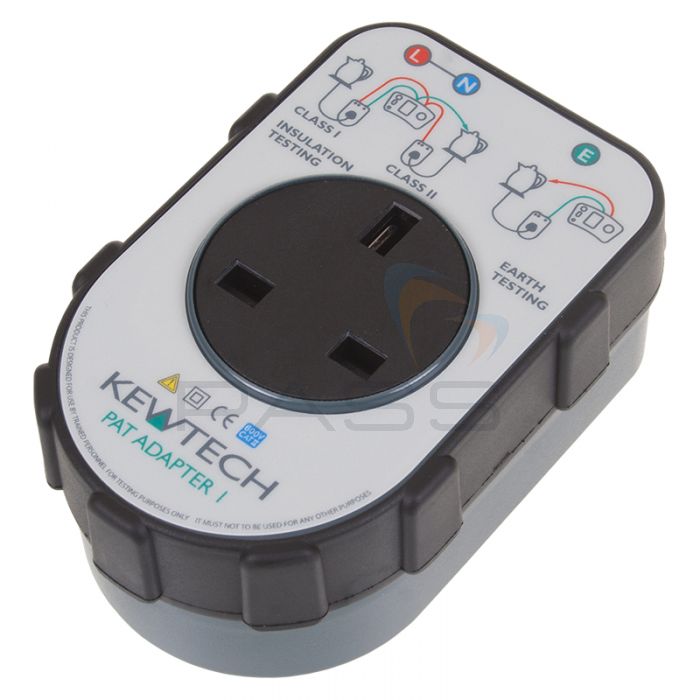
Top 10 Tips For Fast Response Time To The Fire Extinguisher Service in Rugby
In the contexts of fire safety compliance response times for service are not solely a matter for convenience, but are also an essential element to ensure the continuous compliance of legal and operational requirements. The Regulatory Restructuring (Fire Safety) Order (2005) stipulates that the apparatus for firefighting must be maintained at a high degree of efficiency. Damaged, missing or destroyed equipment is an infraction to the order. The ability of a service provider to respond promptly to both scheduled and emergency calls directly impacts the risk you face, insurance validity, and operational continuity. The slow response times could lead to unprotected premises or disruption to the business's operations during audits or in the case of poor due diligence. Evaluation of a company's response capabilities — from routine scheduling to emergency call-outs — requires knowing the various service levels as well as geographical restrictions and contractual guarantees as well as the operational capacity of the base that allows quick and efficient action.
1. Service appointment lead times for scheduled appointments in Rugby
The efficiency of a provider's system of scheduling annual routine services is a reliable indicator of operational competence. A well-organised company will typically contact you approximately 4-6 weeks before your expiry date for certificates to plan the next service. They should provide flexible schedule options and be able to confirm the date or the time of an engineer's visit. Excessively long lead times (e.g. needing to make reservations 3+ months in advance) or the inability to provide a firm date may indicate understaffing or poor resource management or overextension, potentially risking a lapse in your certification coverage.
2. Levels and definitions of emergency call-out response
Not all reactive phone calls are created equal. Trustworthy providers offer clearly defined levels of emergency response with time-bound guarantees. A typical urgent call, such as a faulty extinguisher or a missing extinguisher could be subject to a 24-48-hour response target. A high-priority emergency (e.g. several units being discharged following a minor incident or a major defect discovered in an audit) is best handled more quickly, usually within a couple of hours or even the next day. In order to efficiently manage expectations, it is important that the agreement or contract clearly defines these categories as well as the timeframes for their response.
3. Geographical Coverage & Local Engineer Availability in Rugby
Response times are intrinsically tied to geography. A brand that is national may be well-known but it relies on regional engineers. You must find out if engineers are in your locality or if the engineers travel far. This can affect the time to respond for scheduled services and in emergency situations. A company that has a network of local experts will typically respond faster and has lower call out charges. You can ask "Where is the closest engineer in our area?"
4. Service Level Agreements (SLAs) that ensure the speed of response, in Rugby
The primary factor that determines a prompt response is if it's assured in your Service Level Agreement. The flims promise of "attending promptly" is not worth anything. A strong SLA has KPIs that are quantifiable. These guarantees in the contract provide you with recourse if the service provider fails repeatedly to perform their duties.
5. Communications Protocols for Helpline Dedicated to Helpline in Rugby
Communication efficiency is critical to the speed of service. Determine the protocol of the service provider for processing and receiving requests for service. Do they have a customer service helpline that is dedicated to customers or does they provide an email address that is only for urgent requests? Are they monitored during normal business hours, as well as outside of them? The top providers have a direct number to a coordinator. He is able to immediately assign an engineering team, and avoid being waiting in a phone line.
6. Weekend and After-Hours Support in Rugby
The fire and the faults that occur don't respect the 9-to-5 working hours. Being able to reach support after an off-hours event or in highly risky situations (e.g. data centers, manufacturing 24/7 and care homes, etc.) is essential. Examine whether the company is able to offer a genuine 24-hour emergency call-out, or only assistance during normal hours. If they offer after-hours support, clarify the associated cost of the service and the guarantee response time for these calls, as this can be quite different from their normal daytime SLA.
7. Fault Resolution vs. Initial Attendance Time
The first response time is crucial. A technician will be on the scene to investigate any problems. But the time to resolve faults is when the system or equipment has been repaired and/or replaced. It is possible for a service provider to respond quickly and condemn an ineffective fire extinguisher but it can take several weeks to locate and set up the replacement. Your SLA should cover both metrics. Ideal, a provider would aim to resolve issues like an unresolved fire extinguisher issue on the very first time they visit. This is done by keeping common replacement parts inside their van.
8. Impact of response delays on insurance compliance and compliance in Rugby
It is essential to comprehend the implications of a slow response. A faulty or absent extinguisher should be replaced as soon as possible. If not, you'll not be able to comply with the Fire Safety Order. The Fire Authority can take action against you during an inspection. Additionally, your insurance policy is likely to be dependent on compliance with the fire safety laws. A company may use a delay of significant percentages to correct an obvious fault as a basis to deny a claim by claiming that you did not have adequate security.
9. Provider capacity and Workload management in Rugby
The speed at which you can respond is a sign of the management team's abilities. Question their engineer to client ratio and ask how they handle peak load demands. Overloaded companies will have engineers who are behind on regular visits, and will not be able to cope emergency situations. When you are evaluating tenders it is important to ask the business how they would respond to a scenario which required replacement of several extinguishers on your Rugby. It will be clear by their answers whether they can handle an immediate, massive response.
10. Monitoring reports, monitoring, and performance review in Rugby
A reputable provider doesn't simply make promises, they evaluate their performance against them. They should have systems that monitor their response times for all kinds of calls. Furthermore, they must be prepared and willing to provide periodic performance reports, e.g. annual, that demonstrate their adherence with the SLAs defined within your contract. This transparency allows you to conduct an evidence-based examination of the service they provide and holds the company accountable for maintaining high standards that are essential to your fire compliance. View the best fire extinguisher checks in Rugby for site info including extinguisher fire extinguisher, electrical extinguisher, extinguisher inspections, fire extinguisher for an electrical fire, fire extinguisher service near me, fire extinguisher testing, all about fire extinguisher, fire extinguisher service Rugby, fire extinguisher service Rugby, fire extinguisher company and more. More broadly, see the best fixed electrical testing for more.